
Associazione Oeffe

a servizio della famiglia
Scuole Faes

Dove conta la persona
Franca e Paolo Pugni

Famiglie Felici
Tra i nostri preferiti
-
-
-
-
Le console nelle famiglie italiane15 anni fa
-
-


Post più popolari
-
 Sabato Italiano: i padri separati Next english post: Monday Feb 13th Volentieri lasciamo spazio ad Andrea che ci introduce i...
 -
 Scroll down for English version thank you Next post saturday Jan 28th Prossimo post sabato 28 gennaio Giovedi Mooreeffoc ...
 -
 Prossimo post Next post Tuesday/martedì 7 dicembre Scroll down for English version Claudia De Lillo è un fenomeno me...
 -
Reblog: i post migliori retweetati per voi Reblog: the best post retweeted for you Scroll down for English version...
-
 Post speciale solo in lingua italiana Ho conosciuto Daniela grazie a Internet, e non ricordo neppure come. Uno di quei doni della...


mercoledì 5 ottobre 2011
Non li lasciamo andare - The Italian syndrome
 21:46 |
  Pubblicato da
Paolo Pugni |
Pubblicato da
Paolo Pugni |


Scroll down for English version - thanks!
Prossimo post/next post Sabato/Saturday October 8th

Questo è un problema tipicamente italiano che possiamo
difficilmente risolvere, sebbene ci tocchi affrontarlo prima o poi.
Stiamo parlando della separazione: quando i figli lasciano
il nido.
Lo so, lo so, siamo ben conosciuti in tutto il mondo per
essere “mammoni” e “bamboccioni”, parole intraducibili.
Ma questo non è l’argomento del post di oggi. I mammoni e i
bamboccioni sono i figli che non se ne vogliono andare via da casa.
Quello che vorrei condividere è la nostra difficoltà a
lasciar andare via i nostri figli. Come possono i genitori imparare a vivere la
separazione, imparare ad facilitare l’abbandono, come possiamo far fronte
alla
sindrome degli empty-nester, del nido vuoto.
La situazione è chiara: la soluzione ha bisogno di essere
costruita su pilasti diversi:
- il pilastro filosofico, che riguarda l’atteggiamento, l’approccio che dobbiamo utilizzare
- il pilastro pratico, che riguarda invece i comportamenti che dobbiamo avere.
Adesso l’atteggiamento è semplice e innegabile: non siamo i
proprietari dei nostri figli, non sono una nostra proprietà, ci sono stati
prestati da Dio – o dalla vita se preferite – per proteggerli e prima o poi,
per farli crescere e farli mettere a profitto i propri talenti. E se veramente
li amiamo, dobbiamo lasciarli andare. Aiutarli ad andare.
Ok, ma…come facciamo? Come possiamo?
Iniziamo ad insegnarli ad essere autonomi, per essere
preparati al sentiero. Aiutiamoli a trovare la via migliore per loro, non
secondo le nostre idee. E facilitiamogli in cammino in tutti i modi in cui
possiamo farlo.
Così facile?
Cosi complicato!
Cosa potrebbe essere fatto quotidianamente per aiutarli?
Lettori straieri e buoni genitori italiano potete aiutarci dicendoci cosa avete
fatto, suggerirci qualcosa?
English version

We need
your help non-Italian readers!
This is a typical Italian problem that we can
hardly solve, although we have to face it sooner or later.
We’re
talking of detachment: when kids left home.
I know, I
know, we are well known in the world for being “mammoni” and
“bamboccioni”, untranslatable
words that we can render as “mom-addicted” and “later-babied”.
But that’s
not the subject of this post. These are kids who do not want to leave.
What I
would like to share is our difficulties in letting kids go away. How can we the
parents learn detachment, learn how to ease the abandon, how can we cope with
the empty- nesters syndrome.
The
situation is clear: the solution needs to be built around to different pillars:
- the philosophical one, about the attitude, the approach that we have to wear
- the practical one, about the behaviors we have to perform.
Now the
attitude is simple and undeniable: we are not the master of our kids, they are
not our property, they have been lent to us by God –or by life if you prefer-
to guard and till them for a while, to make them grow and make profits. We tend
to forget that and believe that these are always our cute and little puppy.
And
if we truly love them, we have to let them go.
Help them go.
Ok, but…
now what? How can we?
Let’s start
teaching them to be autonomous, to be prepared for the path. Help them find the
best way for them, not for us. And ease that path in any way we can.
That
simple?
That complex!
What could be daily do to help them? Foreigners readers
and good Italian parents can you help us telling what you did, providing some
hints?

sabato 1 ottobre 2011
Can we measure love? - L'amore è misurabile?
Scroll down for English version - thanks!
Prossimo post/next post Giovedì/Thursday October 6th

Come possiamo amare i nostri figli? La risposta sembra così
banale da far apparire la mia domanda come più stupida che stravagante.
Siamo sicuri?
Sappiamo esattamente come amare i nostri figli, nel modo in
cui loro vorrebbero essere amati? Nel modo in cui è giusto amare?
Siamo perfettamente consapevoli di che cosa voglia realmente
dire amare?
Una delle frasi più abusate, fino a divenire sdrucita e
lisa, più vuote, più odiate eppure utilizzate dai genitori, è senza ombra di
dubbio la famosa pretesa: “l’ho fatto per il tuo bene!”.
Se chiedo questo è perché vedo attorno a me una strisciante
degenerazione dell’educazione dovuta, credo, in gran parte da un profondo
malinteso su che cosa sia l’amore.
Ci è stato insegnato dalla società che il sommo bene consiste
nel fare quello che vogliamo senza nessun limite –cosa che tra parentesi è
tutto TRANNE CHE il sommo bene- e quindi abbiamo la sensazione che amare i
nostri figli voglia dire diventarne schiavi per permettere loro tutto ciò che
vogliono, così da soddisfare ogni capriccio.
E amare questo?
E se non lo è, che cosa è amare e come possiamo misurare
l’amore?
Avete dei consigli da condividere con tutti? Vostre
esperienze?

English version
How can we
love our kids? I mean, the answer seems so easy so that this question seems
even more silly than weird.
Really?
Do we know
actually how we can love our kids in the way they want to be loved?
Are we
totally aware of what loving means?
One of the
most worn sentences, one of the most used sentence, one of the most hateful
sentence that a parent could say is without any doubt: “I did it for your own
good!”.
Now, I’m
asking this because I believe to see all around me a degeneration of education
mainly due to a profound misunderstanding of what love is.
Since we
have been taught by society that the supreme good for everyone consists of
doing what we want without any restriction, which by the way is anything BUT
the supreme good, we tend to love
our kids becoming their slaves, their bond servants, protecting them from any
possible trouble and allowing them any single maggot, which we satisfy almost immediately.
Is this
loving at all?
So how can
we measure our love?
Do you have
suggestions that we can share to help each other?
mercoledì 28 settembre 2011
Do you trust this blog? - Ti fidi di noi?
Scroll down for English version - thanks!
Prossimo post/next post Sabato/Saturday October 1st

Perché state seguendo questo blog, o altri blog sui temi
educativi e sulla famiglia? Per cercare idee su come migliorare la vostra
famiglia?
Può sembrare una domanda imbarazzante e stravagante. Lo è,
confesso. Ma è anche necessaria. Me ne sono reso conto mettendo insieme il mio
atteggiamento nei confronti dei blog tecnici, sulla vendita e sui web media, e
una pagina pubblicitaria che annunciava l’arrivo della prima web tv per sole
mamme.
Perché qui c’è in gioco la credibilità e rischiamo di
sostituire quella che una volta (e anche oggi) era l’affermazione “l’ha detto
la TV”, che sigillava una verità ritenuta incontestabile, con “l’ha detto il
web” altrettanto perentoria affermazione di presunta veridicità.
Basta essere on
line per essere affidabili? Perché dovreste ritenere ciò che scriviamo degno di
attenzione e fiducia?
Non so evidentemente consigliando di diffidare
sistematicamente del web, solo di porre attenzione e di valutare la credibilità
di ciò che leggiamo, o per lo meno considerarne l’affinità, in funzione del nostro patrimonio di
valori, quelli che abbiamo posto a fondamento della nostra famiglia.
Rimasi affascinato anni fa dalla lettura di un saggio di
Patrick Lencioni sulle famiglie… agitate, frenetiche. Suggeriva in questo
interessante libro di applicare i medesimi forti principi che fanno stare in
piedi le aziende anche alla famiglia. Un suggerimento saggio.
Ne parleremo la prossima volta.
Nel frattempo se avete idee su quali criteri usare per
valutare i blog sull’educazione… le aspettiamo a braccia aperte!
English version

Why are you
reading this blog? Or other parenting blogs, I mean talking about education and
kids and what you could and should do for your family?
Is that a
weird question? Yes, it is. But a necessary one. I was recently reading my
usual newspaper and I found out an advertisement for a brand new web Tv
channel: the “Mom Tv”.
That’s
great!
Wait a
minute. Are we just crediting what they will tell us because they are on the
web?
Being on
line is the only requirement needed to be trustworthy and reliable?
Why should
what we write on these pages be perceived as useful and unfailing to you?
I believe
this questions should bother all of us because we tend to suck up everything
just because “the web said it”.
I’m not
suggesting that we should mistrust everything posted on line, but I just like
to recommend that we judge the credibility of what we are reading by some
values, the one we built our family upon.
I was
fascinated some time ago by a book by Patrick Lencioni about hectic families,
and how he suggested to apply to families the same strong principles that we
could apply to companies.
Let’s talk
next time.
In the
meantime if you have any hints about the evaluation of parenting blogs, we will
welcome them!
sabato 24 settembre 2011
Un ospite gradito - A cute guest
Scroll down for English version - thanks!
Prossimo post/next post Mercoledì/Wednesday September 28th
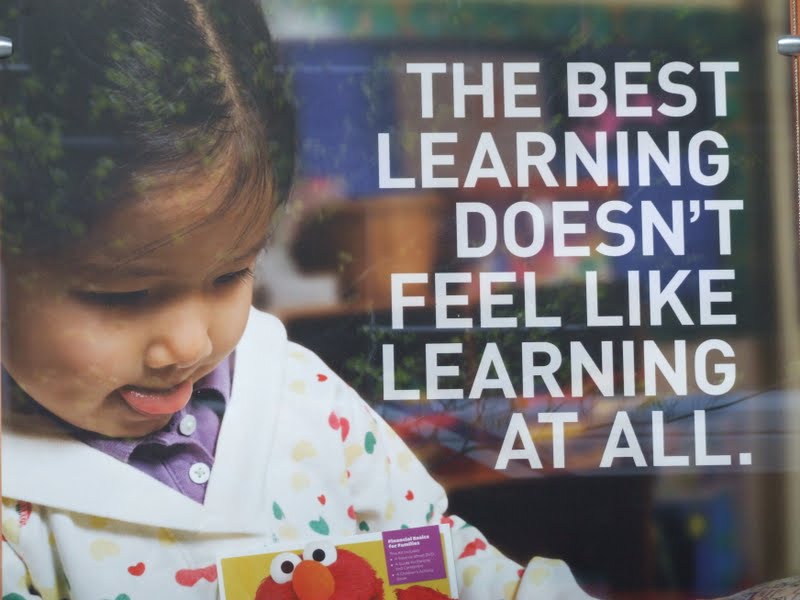
Abbiamo un ospite speciale a casa in questi giorni: il nostro nipotino che farà due anni appena dopo Natale. I suoi genitori sono fuori per un weekend lungo e noi abbiamo la fortuna di averlo con noi.
E' strano per noi avere di nuovo un trottolino per caso, è un bel po' che non avevamo a che fare con pappe, pannolini, risvegli notturni.... Se considerate che la nostra piccola compirà 19 anni lunedì....
Stiamo ovviamente imparando molto, in parte riscoprendo come avere a che fare con un cucciolo (preparandoci a fare i nonni...) e lui impara anche di più, non perché i suoi non gli insegnino, ma perché essere esposto ad un ambiente e persone diverse dal solito, costituisce una stimolazione enorme che questo piccolino coglie e sfrutta alla grande. Assorbe come una spugna tutto ciò che vede di nuovo intorno a sé e che i cugini volentieri gli propongono.
Vorrei prenderlo come icona da utilizzare in questo post, per parlare di come questi piccoli siano pronti non solo ad apprendere nuove nozioni, a parlare, a riconoscere, ma siano anche pronti per apprendere regole, leggi, valori, ordine. Che raramente insegniamo loro.
Certo, fanno fatica, perché seguirebbero più volentieri il loro istinto e i loro desideri, ma possono imparare a disciplinarsi, ogni giorno un po' di più.
Ciò che notiamo con dispiacere è che i genitori di oggi, sempre più, sfuggono a questo doveroso compito, preferendo trasmettere nozioni e fatti che valori e finendo così per produrre conseguenze devastanti delle quali si renderanno conto solo quando i figli saranno adolescenti (o anche prima per la verità).
Perché secondo voi i genitori si ritraggono da questo dovere finendo per viziare e rovinare la vita dei loro figli?
Prima di darvi il mio parere in un prossimo post, vorrei fare una osservazione sulla quale ritorneremo:
vedo le mie figlie con questo piccolino, e non posso fare a meno di pensare quanto sia folle la posizione di chi sostiene che gli istinti materni non esistono....
P.S. E' il compleanno di Franca oggi: le trasmetto i vostri auguri
English version

We’ve got a
special guest this week at home. Our young nephew, who will be two just after
next Christmas. His parents are out of town for some days and we welcomed him
in our family.
It’s weird
to have such a cute and little kid around, it’s been a while since we had the
chance to deal with baby food and milk and napkins, and night awakening. Just
consider that our junior girl will be 19th next Monday!
We are
learning a lot, and he too, not because his parents do not teach him, but
because living in a different environment, with different people, out of any
flexible routing, is an indubitable way to be stimulated.
Now I’d
like to use him as an icon and a hints for some reasoning: he’s brilliant and
smart, and ready to learn quickly everything absorbing like a sponge all new
stimulus, and our three kids are willing and happy to feed their cousin.
But he, and
all the babies he stands for in this post, is ready to learn also values, and
rules. He may fight against, since he is inclined, like anyone else, to follow
is desires much more than regulations and laws.
What bother
us is that this second part of the parents’ duty seems to be denied and
rejected. With devastating consequences of which parents will be aware when
this little kids will grow teens….
I’d like to
know what do you think about and why you believe lot of (most of?) today’s parents
are spoiling their kids’ future in this way. Next time I’ll provide you my
point of view on this subject.
Just one
more remark remark: I can see how my daughters take care of this baby. How can
someone claims that there is no motherhood?
BTW: it's Franca's birthday... I'll forward her your wishes
BTW: it's Franca's birthday... I'll forward her your wishes
martedì 20 settembre 2011
The entitlement trap - Diritti o doveri?
Scroll down for English version - thanks!
Prossimo post/next post Sabato/Saturday September 24th

Sono stato così incuriosito dal blog “La trappola dei diritti” (The Entitlement Trap), scoperto su Twitter, che ho deciso di vederlo più da vicino. In realtà è una tal miniera di suggerimenti e provocazioni che merita un vostro click.
Viviamo in una epoca che è costruita attorno a diritti, il che è buono, e nobile. Cerchiamo lo sviluppo e l’ampliamento dei diritti umani. Ma qualche volta ci lasciamo prendere la mano e siamo così sopraffatti e innamorati della nostra ricerca dei diritti che finiamo per dimenticarci che abbiamo anche dei doveri.
Sono rimasto sorpreso e confuso da una recente notizia letta su un giornale locale: una maestra che stava protestando contro la decisione presa dal direttore, della scuola dove insegnava, che stabiliva di sostituire il pranzo con appena un succo e un po’ di frutta per quei bambini i cui genitori non avevano pagato la dovuta retta per la mensa.
Questa donna affermava che questa decisione era contro i diritti dei bambini e discriminante nei loro confronti.
Non posso né suggerire una soluzione né decidere se quella del direttore fosse la migliore o la peggiore scelta, ma sono veramente infastidito dalla dichiarazione dell’insegnante. Mi sembra che si sia focalizzata troppo sui diritti dimenticandosi completamente dei doveri.
Quali sono le conseguenze di questo atteggiamento che stiamo insegnando ai nostri figli? Stiamo facendo loro un favore o stiamo fuorviandoli?
La nostra opinione è che questa è una diretta conseguenza dell’affermazione pretestuosa dei diritti personali, una pretesa che facilmente ci porterà (o forse ci ha già portati) verso l’egoismo totale.
Cosa possiamo fare per insegnare ai nostri figli che possono e qualche volta devono lottare per i propri diritti, ma che devono anche capire e rispettare i loro doveri e prima di tutto portarli a termine?
English version

I’ve been puzzled by this blog, The Entitlement Trap I found on twitter that I decided to take a closer look. Actually is such a mine of hints and provocations it deserve a frequent click.
We are living in an age that is built around rights, which is good, and noble. We are seeking for developing and widening human rights. But sometime we overstate and we are so overwhelmed and delighted by our search of rights that we end up forgetting that we have duties too.
I was surprised and confused by a recent news a read on a local newspaper: a teacher was protesting against the decision of the school director to replace the common lunch with just juice and fruits for those guys whose parents hadn’t paid the due tuition for meals.
She was claiming that this was against the children’s rights and that was discriminating them.
I cannot suggest a solution neither decide if that was the best or the worst decision, but I was truly annoyed by the teacher’s declaration. It seemed to me that she was focusing too much on rights completely disregarding duties.
Which are the consequences of this attitude that we are teaching to our kids? Are we doing them a favor or are we misleading them?
Our opinion is that this is a direct consequence of a wrong claim of personal rights, a demand that will easily bring us (maybe it already brought us) toward the selfish planet.
What could we do to teach our kids that they can and some time must fight for rights, but they also have to understand and respect their duties and accomplish them first?
venerdì 16 settembre 2011
La sindrome dell'accudimento - The takecare syndrom
Scroll down for English version - thanks!
Prossimo post/next post Lunedì/Monday September 19th delayed /rimandato a Mercoledì/Wednesday September 21st

Stavo accompagnando a Malpensa la “piccola”, quella che sta per compiere a giorni i 19 anni per intenderci. Sarebbe partita con alcune amiche per Parigi, come vacanzina premio per la superata maturità.
E ho iniziato a chiederle, per l’ennesima volta, se aveva preso tutto, carta di identità, soldi, macchina fotografica, e se si ricordava tutto quello che gli avevo detto, dalle indicazioni per il check in, ai suggerimenti per l’RER e i luoghi da visitare: “non dimenticarti di Rue du Bac, sì, come i fiori di Bac e Johan Sebastian Bach “.
Poi l’ho lasciata e me ne sono rimasto lì, per circa dieci minuti: sai, non si sa mai, magari ha bisogno e sono pronto a correre in aiuto.
Riluttante sono ripartito e dopo un po’, quando già ero intrappolato in uno dei peggiori ingorghi tangenzial-autostradali del secolo, mi è arrivato un suo SMS: siamo già al gate e aspettiamo l’imbarco!
Ora, il mio alibi è che Letizia non è una viaggiatrice frequent flyer come i suoi fratelli. Ma, ciò detto, devo solo iniziare a scusarmi. In primis con lei.
Sono confuso e imbarazzato di questo sentimento di protezionismo esasperato. Perché scoppia così violento ed indesiderato da essere incontrollabile. E questo non va bene. Va bene, dobbiamo farci carico, avere cura. Ma abbiamo anche bisogno di proteggere. E già usare la prima persona plurale invece che quella singolare è solo un modo per diluire e distribuire la colpa e l’errore.
Perché siamo così pronti a confondere la protezione con l’assillo soffocante, con questo assurdo e avvolgente atteggiamento come se loro senza di noi non riuscissero a sopravvivere?
La linea che divide il compito doveroso di farsi carico dall’ossessione genitoriale –che finisce per produrre danni incalcolabili e dolorosissimo- è non solo sottile, ma anche scura e così nebbiosa che dobbiamo realmente sviluppare un atteggiamento saggio e attento per scoprirne anche il minimo sintomo, dato che sa nascondersi e mascherarsi in molti modi, ed estirparlo subito.
Che cosa possiamo fare per allenare questo atteggiamento?

English version
I was taking my “little daughter” (well, actually she is almost 19) to the Malpensa airport where she was supposed to meet her friends and take a flight to Paris to spend a short vacation as a reward for her final high school exam.
I start asking her, for the umpteenth time I admit, if she had taken everything with her and she remember all the hints I had given her.
Then when she left, I remained almost ten minutes in the airport parking, waiting for her to call me for assistance. Just in case…..
I was on my way back home, actually trapped in a traffic jam, when I got an SMS from her: we are at the gate waiting to board!
Now my alibi is that Letizia is not a frequent international traveler as her brother and sister. But, having said that, I just have to start apologizing.
I’m quite entangled about this feeling. Because it blew up almost undesired and yet so powerful. We need to take care. And I said we instead of I just to try to dilute my fault.
Why are we ready to mistake protection with suffocation, if I can say so, with this absurd and overwhelming attitude as if without us they can’t survive?
The thin line that divides the necessary and due care from the parental obsession that will cause severe damages, is so dark and foggy that we have to be very wise and mindful to identify it, since it can be disguised in several way.
What can we do to train this attitude?
martedì 13 settembre 2011
Insight from TV - L'uso dei film nell'educazione
Scroll down for English version - thanks!
Prossimo post/next post Venerdì/Friday September 16th

C’è una caratteristica che i genitori dovrebbero sviluppare:
l’abilità di analizzare fatti e comportamenti che sono dietro all’ovvietà così
da leggere ogni situazione ed essere pronti ad agire di conseguenza per il bene
del coniuge, dei nostri bambini e, perché no, dei nostri amici.
Questa caratteristica è chiamata insight. Non può essere
imparata leggendo libri saggi. Deve essere sviluppata attraverso
l’osservazione.
In questi ultimi anni ci è stato chiesto di condividere
questo metodo con parecchie coppie attraverso seminari e corsi basati
sull’osservazione e l’analisi di film e serie tv così che potessimo lavorare
anche sulle più complesse situazioni in un ambiente protetto, una sorta di
laboratorio dove i genitori potevano imparare ad andare oltre ciò che si vede a
prima vista.
Abbiamo usato parecchi film e serie tv, e ci piacerebbe
condividere con voi la nostra preferenza per due di questi che riteniamo
debbano essere presi in considerazione da ogni genitore. Troviamo che essi
siano davvero utili e saggi e, sebbene non possiamo accettare ed essere
d’accordo con tutto ciò che si vede negli spezzoni, rappresentano un mezzo
molto potente per sviluppare tale attitudine.
Il primo è Parenthood :
racconta la vita di cinque famiglie, Zeek e Camilla Braverman e le famiglie dei
loro quattro figli.
Il secondo è The middle che
parla della vita di Mike e Frankie Heck e dei loro tre figli.
Entrambi sono davvero d’aiuto e raccomandiamo di vederli e
usarli per migliorare il nostro livello di insight.
E, a proposito, avete qualche suggerimento? Altri film o
serie tv che posso essere una risorse per i genitori? I vostri consigli saranno
ben accetti.

There is
one feature that parents should develop: the ability to analyze facts and
behaviors going behind the obvious so to read every situation and be ready to
act accordingly for the good of our spouse, our children and, why not, our friends.
It is
called insight. It cannot be learned by reading wide books. It has to be
developed through observation.
In these
last years we have been asked to share this approach with several couples
through seminars and courses based on the observation and analysis of movies
and tv serial so that we can work out even the most complex situation in a
protect environment, a sort of laboratories where parents can learn out to go
behind the surface.
We used
several movies and TV series, and we would like to share our liking for two of
them which we believe should considered by every parent. We found them very
useful and wise and, even though we cannot accept and agree with everything you
can see in them, they represent a very powerful tool to develop such an attitude.
Parenthood
is the first one: it’s the life of five families, the Zeek and Camilla
Braverman and their four children’s ones.
The middle is
the second one, talking about the life of Mike and Frankie Heck and their three
kids.
Both are
very helpful and we recommend to watch them and use them to improve your
insight.
And, by the
way, do you have any suggestions? Other movies or tv series that can be a
resource for parents? We will welcome your hints!
Tweet
Iscriviti a:
Post (Atom)